Moroccan Coffee Culture
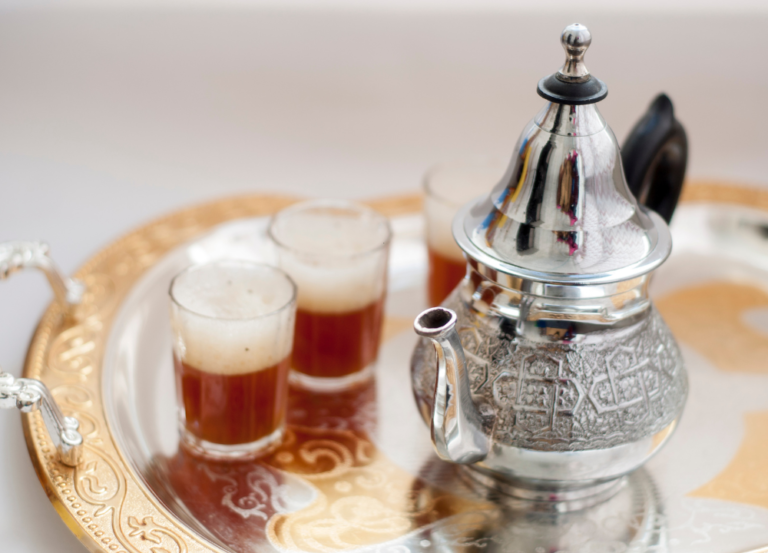
Morocco's coffee culture is a living museum — a fusion of Berber, Arab, and European influences. While mint tea remains the national drink, coffee has carved its own ritual space, especially in cities and homes.
Signature Moroccan Coffee Drinks
| Name | Description | When/Where |
|---|---|---|
| Nous-Nous | "Half-half" — equal parts espresso and steamed milk, served in a small glass. Stronger than a café au lait. | Everyday cafes, especially in Casablanca and Rabat |
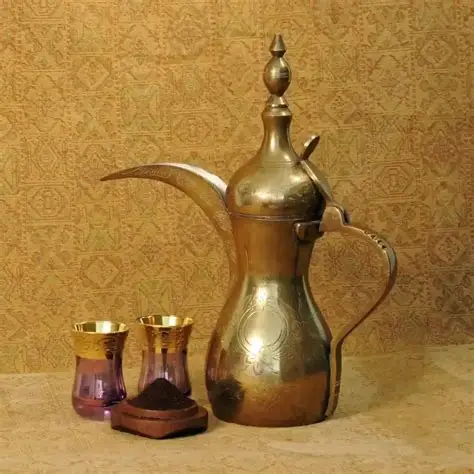
| Qahwa Ma'atra | Spiced coffee brewed at home with cinnamon, cardamom, ginger, cloves, black pepper, anise — each family has its secret blend. | Home hospitality, rarely in cafes |
| Café Noir | Simple single espresso — but quality varies wildly; locals know the best spots. | Corner cafes |
| Berber Spiced Coffee | Rustic preparation using whole spices simmered with coarse grounds, often sweetened with date honey. | Mountain regions, desert camps |
🏠 The Home Ritual
Qahwa Ma'atra is traditionally prepared by the female head of household. Guests are served first, and holding the cup signals you'd like a refill. Multiple rounds are common — it's a sign of friendship and respect.
☕ Cafe Society
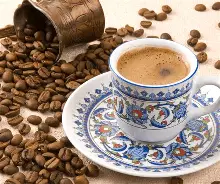
Historically a male domain, cafes are now increasingly mixed, especially in modern Casablanca and Marrakech. They remain social hubs for discussion, games, and people-watching.
French colonial architecture still defines many iconic cafe terraces.
✨ Modern Innovations
Today's Moroccan coffee scene is exploding:
- Spice labs in Marrakech — blend your own coffee with 32 local spices
- Desert star cafes — immersive coffee ceremonies under Saharan skies
- Specialty roasters in Casablanca offering single-origin Ethiopians and Yemenis
Coffee & Hospitality
In Moroccan culture, offering coffee is an expression of generosity. It's often accompanied by sweets or dates. The preparation — from grinding spices to the elaborate pouring — is part of the welcome.
"The coffee cup holds more than coffee — it holds history, friendship, and the warmth of Morocco."